Cooling
Look for changes in temperature, door closure, condensation or usual sound.
Independent home-appliance guide
Practical reading for calmly observing household refrigerators, cookers, water heaters and boilers. This site is informational only; it does not arrange repair visits or provide emergency instructions.
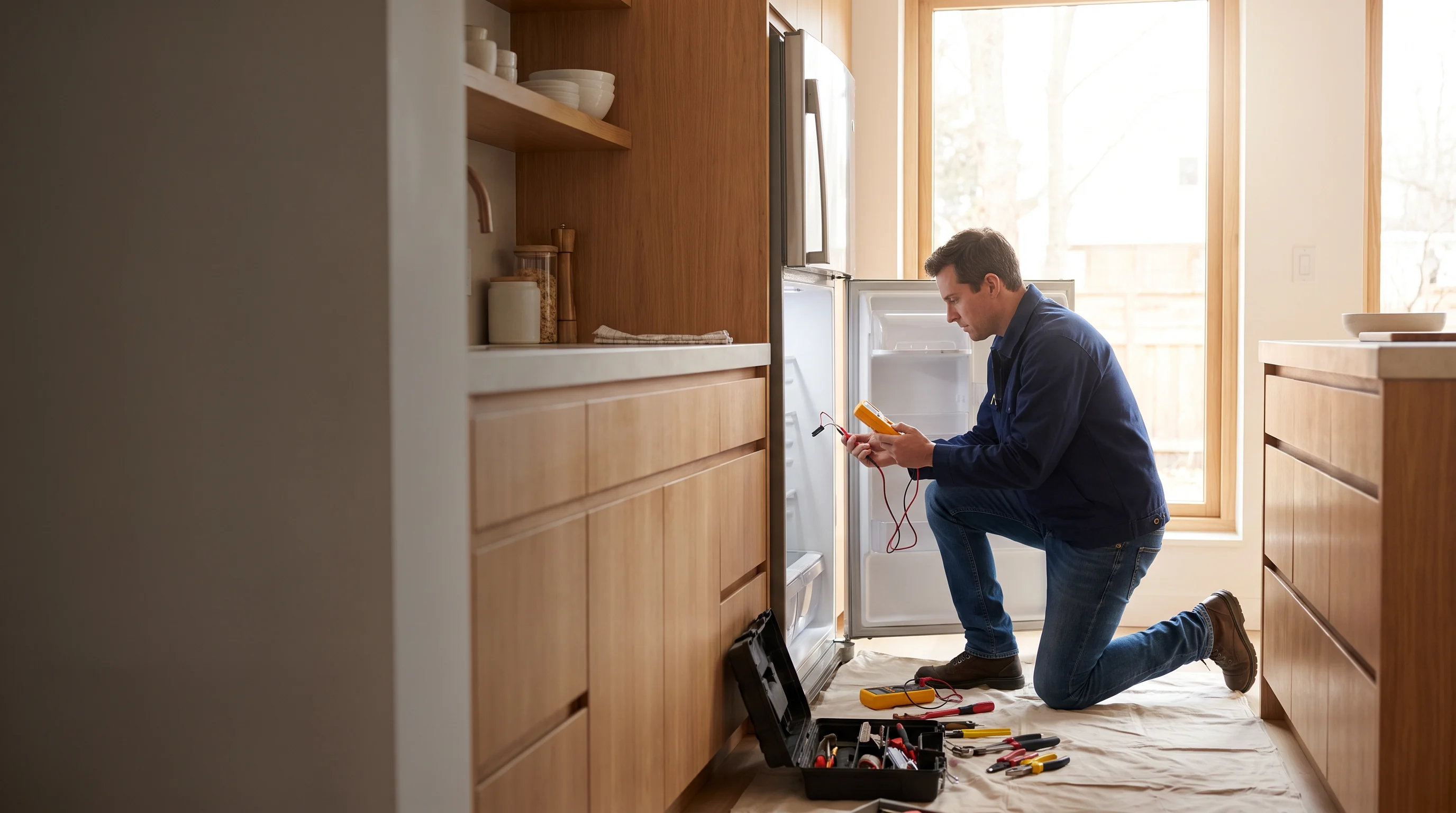
Start with what is visible
Temperature changes, unfamiliar sounds or a new pattern in daily use are not a diagnosis. They can be useful observations when written down with the setting, timing and what changed around the appliance.
Read the care notes →Look for changes in temperature, door closure, condensation or usual sound.
Notice the appliance, room conditions and timing before drawing a conclusion.
Observe what a cooker does differently, then use the official manual for its model.
For water equipment, pause and use appropriate professional support when safety is in doubt.
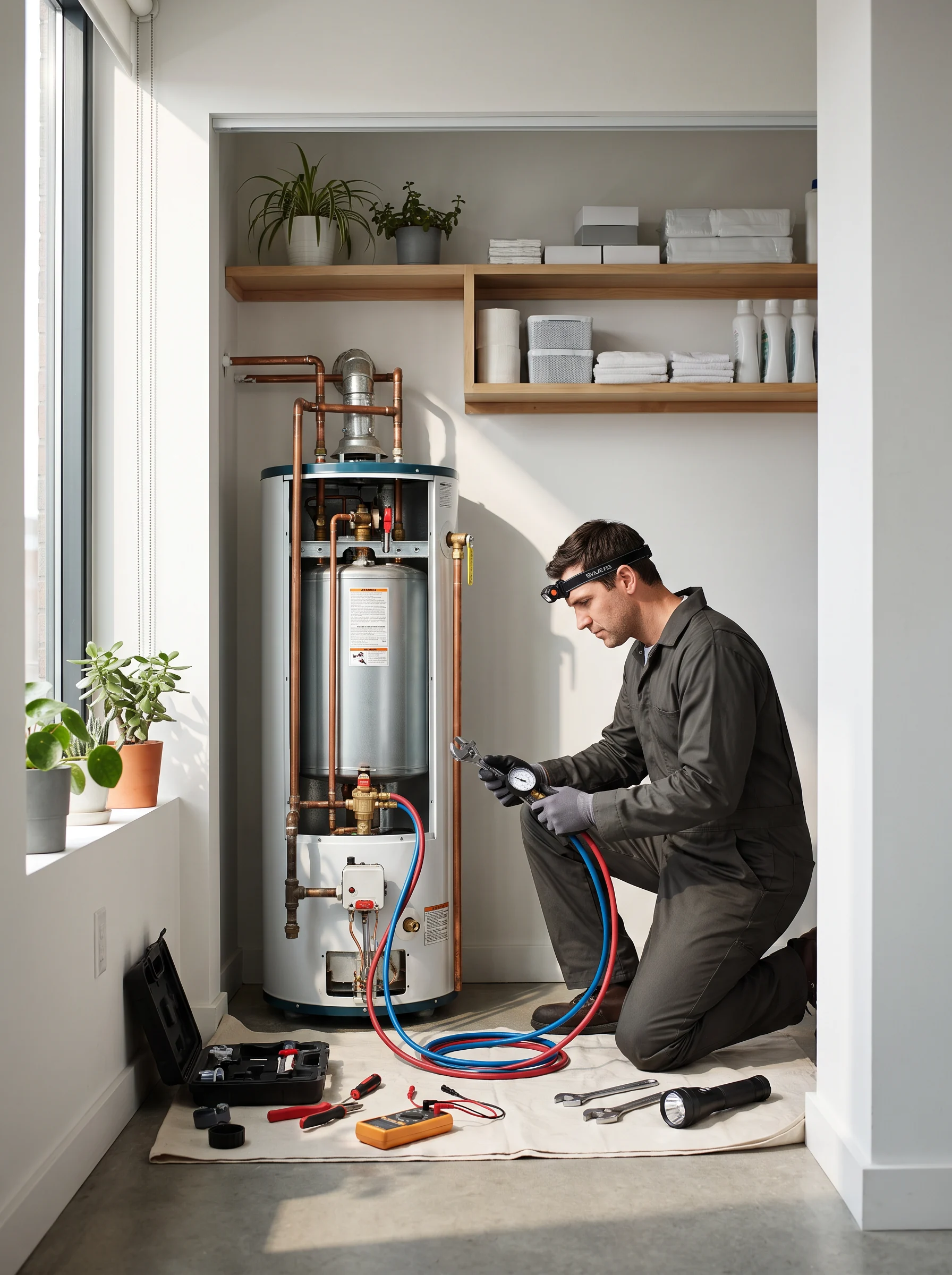
A useful boundary
This guide does not replace model documentation or a qualified technician. For appliances involving gas, electricity or water, follow the manufacturer’s official guidance and local safety requirements.
The work around the work
New use, a moved appliance, a recent cleaning step or a different room condition may be relevant.
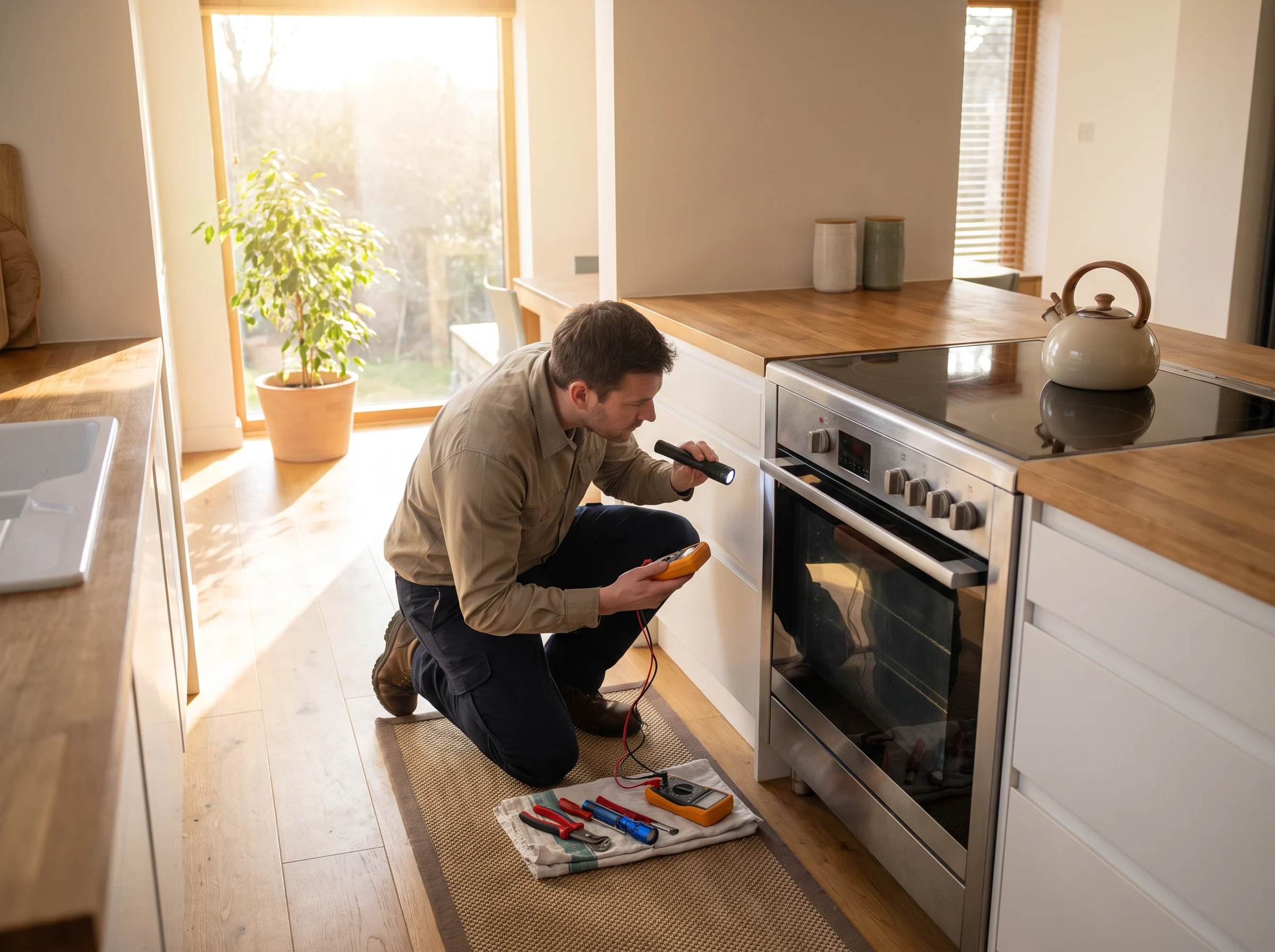
A first occurrence, repeating pattern or particular time can make a note more useful.

Use ordinary language for a sound, smell, display or temperature change without guessing the cause.
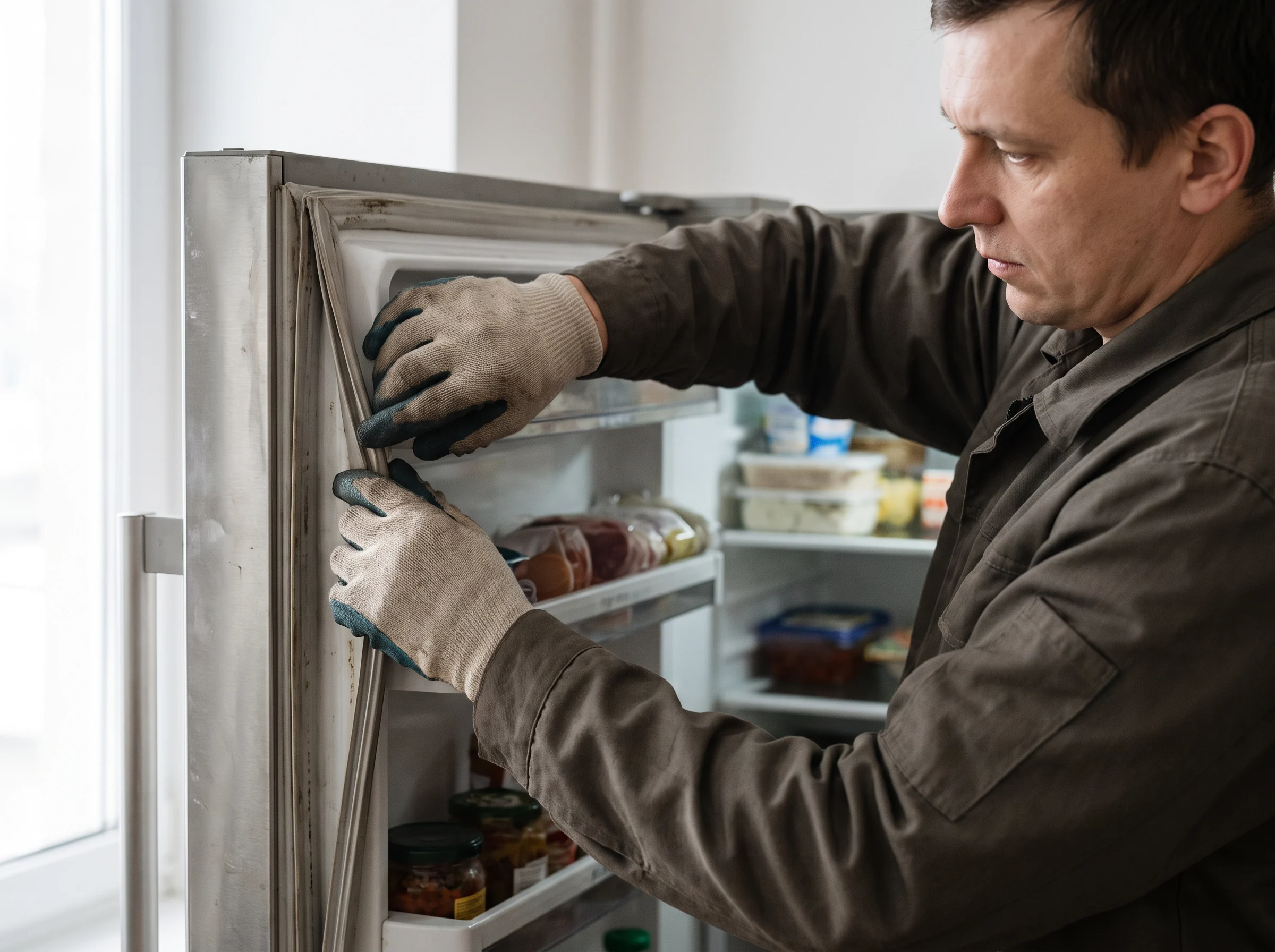
Stable parts of the appliance’s behaviour can be just as helpful as the new signal.
A compact care log
The following prompts help turn a vague “it is not right” into a calmer description. They are not diagnostic steps and should never override official safety guidance.
Describe the appliance in ordinary terms and say what you expected it to do at that moment.
Doors, airflow and common context questions worth observing before you look for a conclusion.
Read the note →Why a model manual and a careful description matter more than a generic checklist.
Read the note →When it is more useful to stop and seek appropriate support than to continue investigating.
Read the note →A calmer sequence
Home appliance care is often better when it starts with a modest question. A clear record can be useful for a conversation with a qualified local professional, without assuming the outcome.

Before a general question
Official documentation is model-specific; a general guide cannot replace it.
Say what you noticed and when, rather than naming a cause you cannot verify.
If you are uncertain about gas, water or electricity, pause and seek qualified local support.
Frequently asked questions
General contact
The local form is for ordinary feedback about these educational notes. It does not arrange repairs. The placeholder general contact route is [email protected].